Tribal Banking Strategy: What Community Banks Need to Know About Sovereignty and Capital Access
Banking in Indian Country is one of the most misunderstood and most underserved opportunities in the financial services industry.
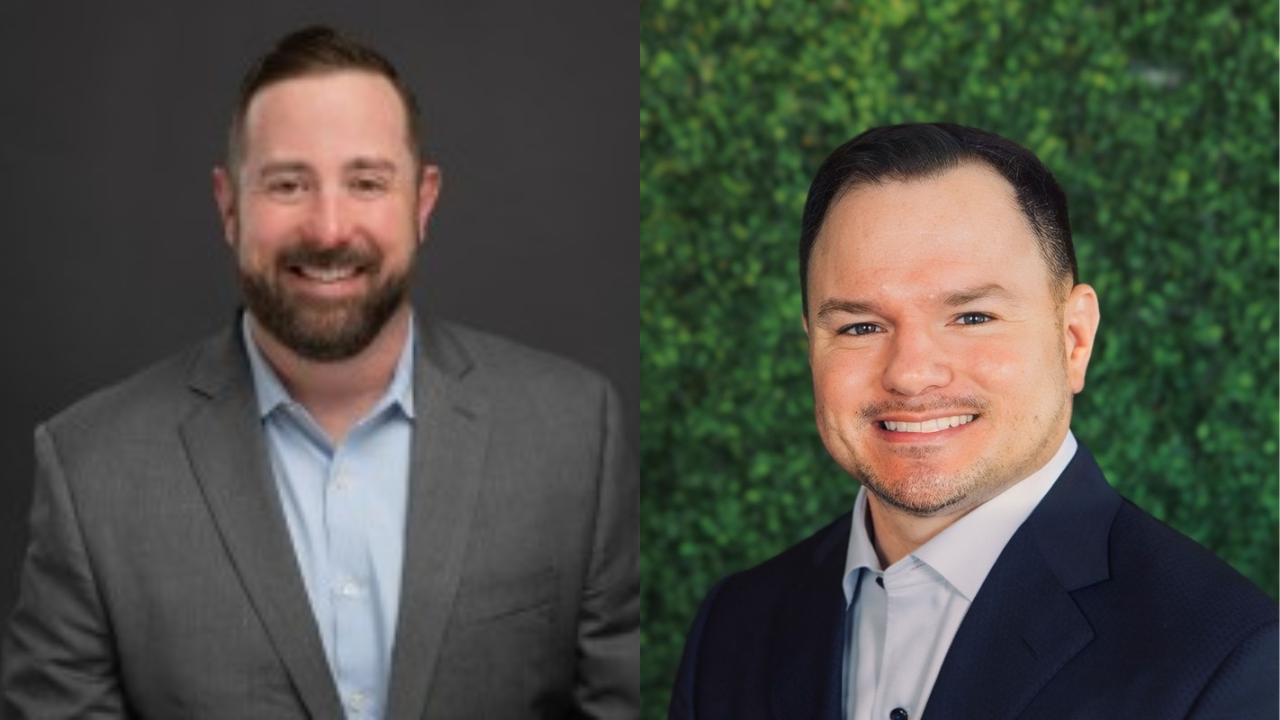
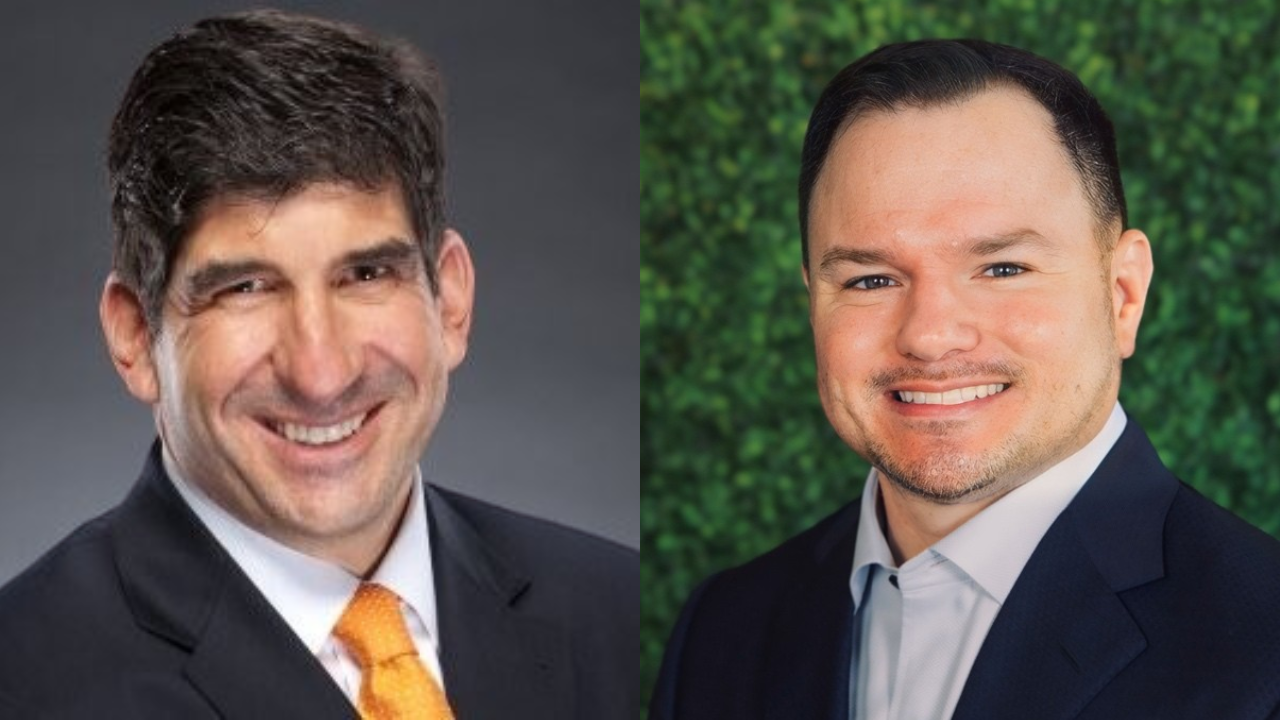
Host Amber Buker, Chief Research Officer at Travillian, sits down with two of the foremost experts in Native American banking: Mike Lettig, Senior Managing Director and Group Head of Native American Financial Services at Huntington Bank, and Jackson Brossy, Vice President of Native American Financial Services at Huntington Bank. Together, they pull back the curtain on what it takes to build a credible, effective tribal banking practice. From dismantling misconceptions about tribal creditworthiness and sovereignty to uncovering a $26 billion federal contracting ecosystem most bankers have never heard of, it’s a conversation that challenges everything the industry assumes about Indian Country.
For community and regional banks wondering how to meaningfully serve tribal communities, this conversation is the place to start.
LISTEN HERE: SPOTIFY | APPLE PODCASTS
00:00: Building a Banking Practice for All of Indian Country
When Mike Lettig set out to build a dedicated Native American Financial Services team at KeyBank, he was solving a structural problem every tribe knew too well: banks are organized into verticals (real estate, healthcare, government, education), but tribes are all of those things at once. The solution wasn’t to force tribes to navigate a fragmented system. It was to build a team that became the voice of the tribal client internally, training industry verticals from the inside out. The model worked so well that other institutions have since emulated it, and it’s exactly what brought Mike out of retirement and into Huntington Bank.
03:53: How Huntington’s Native American Financial Services Team Operates
Huntington’s Native American Financial Services practice isn’t siloed; it’s woven across the entire bank. The team coordinates with treasury management, healthcare finance, new market tax credits, low-income housing tax credits, and more. As a super-regional bank with deep roots in the Midwest, Huntington is uniquely positioned to support tribal clients holistically across every financial need, not just individual transactions, but the full spectrum of what a sovereign nation and its enterprises require.
06:54: The Biggest Misconception: Safety and Creditworthiness in Indian Country
When bankers hear “tribal lending,” sovereignty and collateral often surface as concerns. Mike reframes the question entirely: Indian Country is one of the safest places in the private sector to do business. Tribal leaders carry a dual obligation, honoring their inherent right to self-governance while improving the quality of life for their members. That depth of accountability creates an extraordinarily strong incentive to honor commitments. Access to capital isn’t just a financial opportunity for tribes; it’s the foundation for sustainable self-governance.
08:33: Sovereignty Is a Feature, Not a Risk
A common sticking point for banks entering tribal markets is the question of legal enforceability under sovereign jurisdiction. The conversation challenges this head-on: dispute resolution mechanisms that are both legally binding and respectful of tribal sovereignty are not only possible, they’re becoming standard practice. The financial community is catching up, learning from the pioneering institutions that built the framework. New entrants today have a proven blueprint to follow.
09:32: A Landmark Deal: Unsecured Credit Under Navajo Law
In a transaction that set a genuine precedent, Huntington helped structure an unsecured credit facility for the Navajo Nation conducted entirely under Navajo law, including Navajo courts and the Navajo Binding Arbitration Act as the dispute resolution mechanism. The Navajo Nation’s judicial system, with all rulings and case outcomes publicly published, offered a level of transparency that rivaled many state systems. When the legal team examined the data, the conclusion was clear: justice is blind on the Navajo Nation. The deal proved that fully sovereign transactions are both achievable and rigorous.
10:41: Federal Contracting: The $26 Billion Opportunity Most Banks Are Missing
Before joining Huntington, Jackson Brossy led the Native American Affairs office at the Small Business Administration, where he watched an enormous and underappreciated sector come into its own. Under Section 8(a) of the Small Business Act, tribes, Alaska Native corporations, and Native Hawaiian organizations can contract directly with the federal government, the single largest buyer of goods and services in the world. What started with Alaska Native corporations in the late 1980s has grown into a $26 billion industry. For banks, this is an expanding commercial lending sector that deserves serious, sustained attention.
13:56: Where Tribal Contracting Is Growing
The Department of Defense represents the largest slice of the federal contracting market, and tribal contractors are increasingly active participants. Domestically, tribes are also capturing contracts for services delivered directly on their lands, including Bureau of Indian Affairs work and Indian Health Services, allowing them to improve efficiency, generate revenue, and reinvest in their communities simultaneously. These are durable, mission-driven businesses backed by sovereign entities with a long track record, and they represent exactly the kind of borrower that relationship-focused banks should be pursuing.
15:10: What Banks Must Do Before Entering the Tribal Market
For banks eager to enter the tribal space, Mike delivers a clear-eyed warning: the infrastructure has to come before the business development. That means building credit policies, AML/BSA frameworks, legal infrastructure, and relationships with counsel experienced in Indian Country law. Without it, banks find themselves building the plane while flying it, inefficient, risky, and ultimately not credible to tribal clients. Huntington’s team brings over 160 years of combined experience to the table, with four of six team members being Native, a level of cultural and professional fluency that simply cannot be shortcut.
17:41: The First Step for Banks Ready to Start
For bankers who don’t yet have tribal clients but want to, Jackson’s advice is direct: reach out to the Huntington team. Larger tribal transactions are regularly syndicated, creating real partnership opportunities for banks that want to learn the space while deploying capital. But above all else, before any deal structure, credit policy, or product pitch, the foundation has to be a genuine, informed respect for tribal sovereignty. That’s the seed from which every credible tribal banking relationship grows.
What comes through most clearly in this conversation is that tribal banking isn’t a niche; it’s a discipline. Mike Lettig and Jackson Brossy have spent their careers building the knowledge, relationships, and institutional frameworks that allow Huntington Bank to serve tribal communities at a level most banks simply can’t match. For bankers listening, the opportunity in Indian Country, from federal contracting and casino finance to healthcare, housing, and infrastructure, is large, growing, and largely untapped by the broader industry. The barrier to entry isn’t legal complexity or sovereign risk. It’s education, infrastructure, and respect. For those willing to invest in all three, the partnerships waiting on the other side are among the most meaningful and most durable in banking.
For more conversations on where banking is heading and the opportunities most institutions overlook, explore more on Travillian Next.