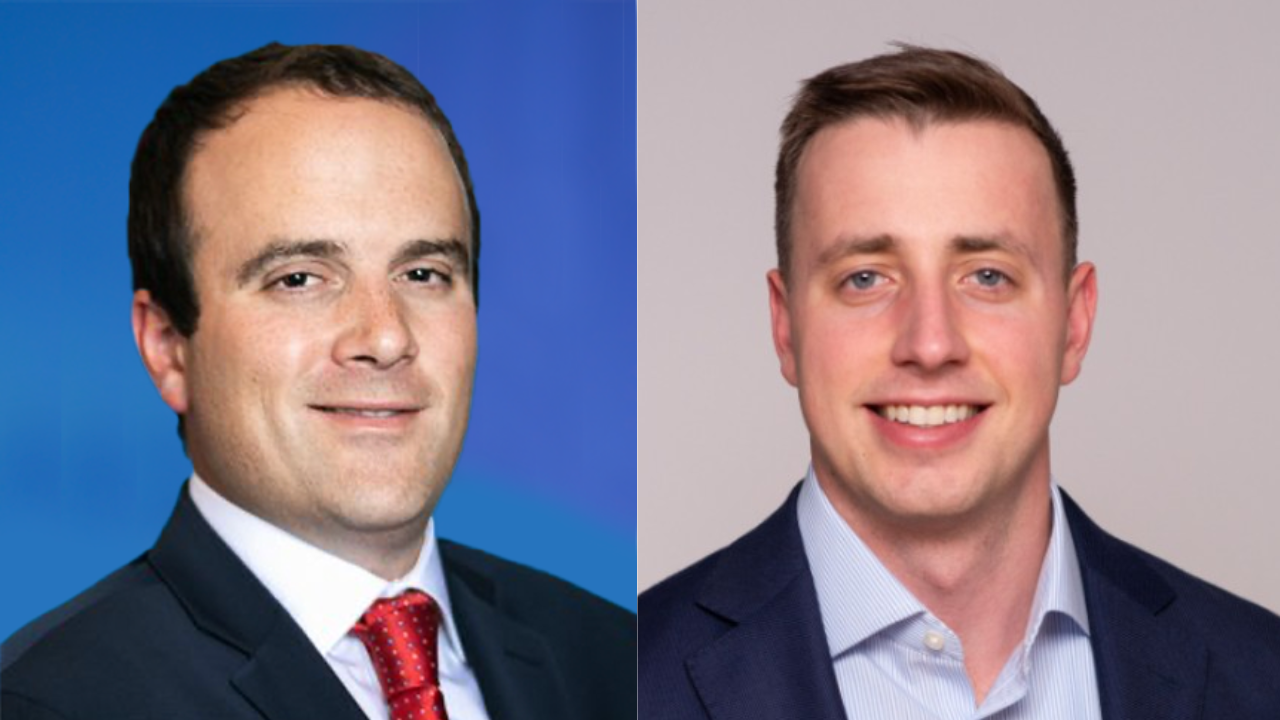
Brian Love, Head of Banking & Fintech at Travillian, sits down again with Chris Marinac, Director of Research at Brean Capital, to break down Q3 2026 bank earnings. Recorded the Friday after the midterms, with bank stocks rallying one day and giving it back the next, the conversation steps back from the daily noise to look at what the quarter said about the industry.
Chris shares where he thinks bank stocks stand after earnings, which banks caught his eye, and an early look at a new credit project he’s working on. From there, they talk deposits, bank M&A after the midterms, talent, and what’s changing for CFOs and AI.
Listen Here: Spotify | Apple Podcasts
Episode Breakdown: Q3 2026 Bank Earnings, Deposits and the M&A Clock
00:00 – Midterms, a Rally and a Sell-Off
Brian welcomes Chris back after their Q2 earnings conversation and sets the scene: a midterm election, a Wednesday rally and a Thursday sell-off that wiped it out. Chris says the election reminded everyone that gridlock is back, which he sees as good for banking and business. He chalks up the sell-off to normal profit-taking. After nearly 35 years in the business, he notes, investors’ time horizons have only gotten shorter.
01:28 – Bank Stocks Still Look Cheap
Chris says bank stocks are still in a good spot after a solid earnings quarter. Banks trade at 10 to 11 times next-four-quarter consensus earnings, which he believes should be 13 or 14 times, compared with about 18.5 times for the S&P 500 and 22 or 23 times for the Russell 2000. He recaps a strong summer, a giveback and a recovery as October earnings wrapped. Confusion about the economy and the Fed remains, but he says the fundamentals of profitability, credit quality and growth capacity are intact.
03:21 – Small Caps Led the Way
Brian asks which bank stocks held up best during Q3 earnings. Chris says small caps did better than large caps, with worries about securities marks weighing on the big names. Investors now know more than they did a month earlier and are looking ahead to one more Fed tightening. He notes most banks won’t give 2027 guidance until a December investment conference or Q4 results in late January, so the market is judging banks on Q3 and the near-term outlook, a better spot than past episodes like Covid, Silicon Valley Bank or worries over tariffs and NDFI loans.
05:05 – The Q3 Word
Last time, Chris’s one word for Q2 was “margins.” Brian asks for Q3’s word, and Chris’s answer leads to a broader point about the macro deposit data and how banks stack up against money markets, crypto and gold this year. He argues investors are overlooking a key fundamental, and Brian shares that the same topic has dominated the conferences he’s attended this fall.
06:49 – Standout Banks and the “Good Miss”
Chris names a few banks he thought performed especially well in Q3, including large caps and a community bank. He explains why some banks missed estimates for good reasons, like taking a needed write-off or repositioning their securities books, and compares it to an NFL team that won’t catch every pass. He also urges investors to look past reported book value to what happens once securities marks are stripped out.
08:58 – Credit Incidents and the Weather Report
Brian asks where Chris looks for chinks in the credit armor. Chris previews an unpublished project he calls “credit incidents,” a quarter-over-quarter look at commercial loan books, and explains what it’s showing so far. He compares credit to the weather and notes even the Milwaukee Brewers didn’t win all 162 games. His takeaway: banks are in the risk business, they have capital, reserves and earnings to absorb surprises, and today looks nothing like the late 1980s, the financial crisis or Covid.
11:46 – Mario Lemieux Makes a Cameo
Brian spots the Mario Lemieux poster over Chris’s shoulder. Chris shares what it was like growing up in Pittsburgh when Lemieux was drafted in 1984, when Penguins tickets were cheap and you could sit anywhere. He talks about the five Stanley Cups that followed, Lemieux’s return from cancer and his reputation as a person. Brian, a Philly guy, admits the Flyers haven’t won a championship in about 50 years.
13:41 – The Midterms, M&A and the January 2029 Window
Brian asks what Chris will watch in Washington before changing his M&A outlook now that Congress has changed hands. Chris expects plenty of rhetoric from the new House and Senate banking committees but doesn’t think it will change how regulators govern. He lays out why the date of the next inauguration matters for the largest banks, how long a big deal takes to get approved and why that makes 2027 a year to watch for the big regional and national banks.
16:10 – Counting Banks, Not Deals
Chris shares his view on M&A as a freight train that moves at different speeds but keeps going. He argues deal counts and asset totals are the wrong way to measure it, and shares a striking stat about how many banks are left in North Carolina. He explains how scarcity affects pricing and the big banks, lists the large regionals under pressure to make moves and gives his on-record take on Regions. Brian adds that Arizona may soon have fewer than ten community banks.
19:13 – Bankers, Not Banks
Brian shares highlights from the chief deposit officer panel he moderated at the S&P Global Market Intelligence deposit conference, then asks how a CEO who needs better core deposits should decide between a chief deposit officer, treasury management talent, better incentives or better bankers. Chris starts with the people side, talks about training and incentives and explains what has to change in a bank’s culture, and what the fallback is if it doesn’t.
21:08 – Competition and Asking for the Deposit
Brian raises disruption from fintechs and AI tools that could move money for rate shoppers. Chris says competition has been tough his whole career and the real issue is asking for the business. He describes the give-and-take that should exist between a bank and its borrowers and points to banks, some with $30 billion to $200 billion in assets, that have changed their mindset. Brian calls the disconnect between commercial lenders and the deposit side of the balance sheet a call to action.
23:02 – Training the Next Generation
Brian mentions Origin Bancorp CEO Drake Mills, a former teller, and his pride in developing young bankers, and recalls Chris’s praise for Pinnacle and Synovus last time. Chris admits he may get himself in trouble with his answer: he credits Cadence and MB Financial for strong training cultures before they were acquired, and is candid about how Huntington’s integration of the Cadence and Veritex deals has gone so far. He expects better training to be part of Truist’s next chapter under its new leadership. He says he’s willing to give Huntington a few quarters to get it right, pointing to Brant Standridge’s BB&T roots.
26:05 – The CFO as Understudy
Brian notes the CFO role became more demanding after Silicon Valley Bank, and asks what skills are getting more attention now. Chris describes the CFO as the CEO’s understudy who must anticipate change and explain the numbers, not just present them. He says CFO turnover often reflects success rather than failure and expects the job to get even more demanding with AI, regulation and geopolitical risk on its plate.
27:55 – AI: Embrace It, Question It
Brian shares that Travillian has seen more CIO, CTO and COO searches as banks chase efficiency. Chris says banks have to embrace AI and be wary of it at the same time. As an analyst, he worries less about doomsday scenarios and more about data quality, context and whether a tool is just telling you what you want to hear. He still calls it a real time saver, and gets a laugh with a shout-out to Claude.
29:31 – Chris’s Message to Bank Leaders
Brian gives Chris the floor for a message to bankers, executives, investors and board members. Chris starts with optimism and gratitude, pointing to strong capital and reserves after CECL, and shares where he thinks growing capital could go. He talks about capitalizing on chaos through hiring and winning customers, a helpful video teller experience at Renasant in Atlanta and why every business needs a banker, and closes with a note for tired boards and leaders.
32:52 – Wrap-Up
Brian thanks Chris for his optimism and his people-centered view of banking, and highlights the line he’ll remember most: capitalize on chaos. They agree to reconvene after Q4 earnings.
Get in Touch with Brian!
Want to talk bank leadership hiring, CFO and deposit talent, or building your team for 2027? Reach out directly:
Brian Love
Head of Banking & Fintech, Travillian