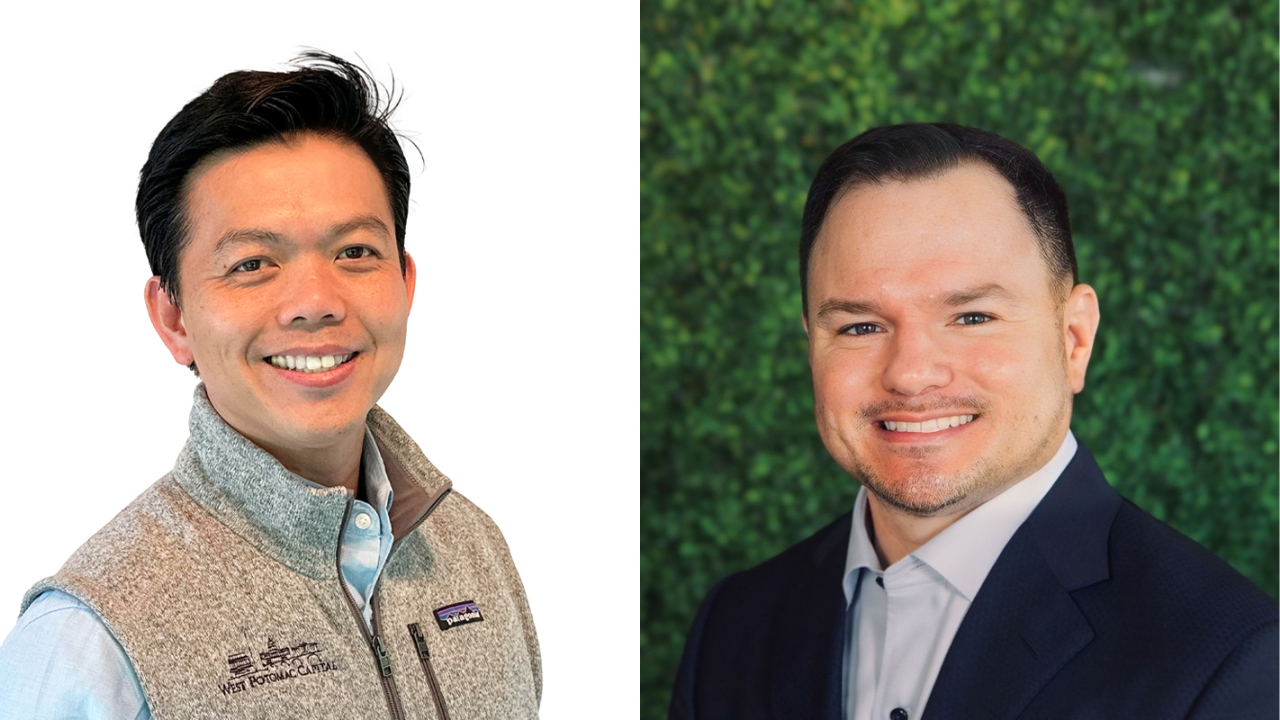
Keith Daly, Principal, Banking & Fintech Search at Travillian, sits down with Al Dominick, Partner at Cornerstone Advisors and former CEO of Bank Director, to talk bank strategy, boards, leadership, and where the industry is heading in 2027. Al got into banking almost by accident. As a college senior in Arizona for a baseball tournament, he wandered over to Acquire or Be Acquired and interviewed for a job at Bank Director. More than two decades later, he’s spent as much time in bank boardrooms as just about anyone.
Keith and Al use this year’s small-market World Series as a jumping-off point, then dig into why so many good strategic plans never get executed, why three priorities beat seven, and why bank boards need curious directors more than single-topic experts. Al names the CEOs he thinks show what the next generation of bank leadership looks like, including Pinnacle‘s Kevin Blair, Nicolet‘s Mike Daniels, Stock Yards‘ Ja Hillebrand and Citizens Business Bank‘s David Brager. He also shares how he changed his mind on BaaS, and the one topic he’d challenge every bank CEO to get smart on before 2027. The conversation closes on music, from Al’s first U2 concert in St. Louis to a Dave Matthews show for about a hundred people in Charlottesville.
Listen Here: Spotify | Apple Podcasts
Episode Breakdown: Al Dominick on Strategy, Boards and the Bank CEO of the Future
00:00 – World Series Lessons for Community Banks
Keith welcomes Al Dominick of Cornerstone Advisors on a beautiful East Coast Monday in October. Keith points out that this year’s World Series features two small-market, low-payroll teams that beat the big spenders, a story community banks know well. Al, a Red Sox fan still licking his wounds, says the lesson applies to any industry: get people to lock arms around a clear goal and you can do awesome things. Keith adds that both teams win year after year through their farm systems, recruiting and culture.
03:05 – How Al Dominick Found His Way Into Banking
Al calls his start in the industry “total dumb luck.” His father worked at large banks and ran a public online bill payment company in the mid-90s, and he told Al to find an entrepreneurial role and say yes to every opportunity. While playing in a baseball tournament in Arizona as a senior at Washington and Lee, Al wandered over to Acquire or Be Acquired and interviewed with Bank Director. He packed up and moved to New York City, doing sales, marketing, some writing and coffee runs.
05:11 – From Sarbanes-Oxley to Bank Director
Al watched corporate governance change after Enron and WorldCom, as law firms built governance practices and outside boards became more important. He moved to DC to lead sales and marketing at a 300-person tech firm, then saw Occupy Wall Street and the distrust of banks become front-page news. Around 2010 he returned to Bank Director to connect its brand across events, online and print. A small team let him play a long game and spend time with bank CEOs, chairmen, investment bankers and attorneys.
07:24 – Deposits and Funding Top the Agenda
With Acquire or Be Acquired a few months away, Keith asks what’s getting the most attention. Al’s answer will surprise no one in banking: deposits and funding. If a bank creates real value for customers, he says, the deposits will follow, and if it doesn’t, it’s at risk.
08:19 – Strategy Is Easy, Execution Is Hard
It’s budget season, and Keith, a former FP&A professional, asks what separates banks that execute from those that just have a plan. Al says value gets lost by setting standards and not hitting them. Many plans are smart and timely, but the spirit of the plan never cascades past the senior team and the board. That gap between having a plan and executing it is where franchise value starts to erode.
09:47 – Three Priorities, Not Seven
Al borrows a line from Bank Director co-founder Joan Susie: boards should be “noses in, fingers out.” He says five to seven key initiatives is too many for a team to get its arms around, and three gives a bank a real chance to execute. High performers organize the plan around talent, capital allocation, tech and operations, and sales and marketing. The best plans aren’t glorified budgets. The strategy holds steady while the tactics adjust.
12:07 – What Bank Boards Need Now
Keith notes Travillian is doing more board work with sponsor banks, fintechs and community banks. Al says the old model of adding “the cyber expert” matters less than directors who understand business outcomes and know third-party relationships need to be nourished, not just managed. Partnerships make smaller banks stronger if they get out of their own way. Expertise fades fast once you leave the job, so the best directors stay curious and ask probing questions.
14:25 – The Bank CEO of the Future
Keith asks how the CEO profile has changed over the past ten years. Al says the old path ran through credit, lending or the CFO seat, but leaders now must communicate and connect in a digital world. He points to Kevin Blair at Pinnacle, Mike Daniels at Nicolet, Ja Hillebrand at Stock Yards and David Brager at Citizens Business Bank. They run very different models, from a bank north of $100 billion to one north of $20 billion, but each inspires a team to do common things uncommonly well.
16:37 – Smart, Humble Leaders Build Caring Cultures
Al says smart people want to surround themselves with other smart people, and they have the humility to learn from them. He paraphrases Jamie Dimon: give a damn, show heart, and accept that you don’t know everything anymore. Leaders who ask for help and show it’s okay to be vulnerable model a culture of caring, which matters even more when colleagues rarely see each other in person.
17:53 – Why Al Changed His Mind on BaaS
After time with Eric Sprink at Coastal, Al couldn’t understand why more banks under the $10 billion Durbin threshold didn’t want to be sponsor banks. As he dug in, he saw the regulatory complexity, compliance expense, technical talent needed to vet fintechs and reputation risk. He realized saying no to something that looks good can be smart strategy. He credits Mark DeFazio at Metropolitan Commercial Bank for teaching him how complex the model is, and respects his choice to exit early rather than late.
20:15 – Interesting vs. Important: Tokenization in 2027
Keith asks what Al would challenge every bank CEO to do differently heading into 2027. Al says the movement of money is getting blurry, and he separates what’s interesting from what’s important. Stablecoins are interesting, especially for cross-border payments. Tokenization, starting with tokenized deposits, is important, and banks can’t wait for someone else to hand them an answer. Plenty of people like to talk about tokenization, he says, but few can go deep.
22:38 – No Payment Strategy, No Deposit Strategy
Keith ties tokenized deposits back to funding. Al says if you don’t have a payment strategy, it’s hard to have a deposit focus. Leaders have to protect the day-to-day business while building a team that understands the bank’s risk appetite and culture well enough to pursue change. Banks don’t have to be all things to all people, but they must be intentional about where they compete and not get caught flat-footed.
24:03 – First Concerts and Best Concerts
Keith asks about Al’s first and best concerts. Al’s first was U2 in St. Louis on the Achtung Baby tour, with tickets from his dad’s employer, Boatmen’s Bank. He brought a new football teammate he hoped would stop flattening him in practice. His runner-up: Dave Matthews Band at The Tracks in Charlottesville for about a hundred people, a month before they played for thousands in Richmond.
26:23 – Wrap-Up
Keith thanks Al for the conversation. Al thanks Travillian for doing the industry a great service by putting smart people into great seats to run great companies.
Get in Touch with Keith!
Want to talk board and executive hiring, CEO succession or building the leadership team to execute your strategic plan? Reach out to Keith directly:
📧: kdaly@travilliangroup.com
📞: (610) 908-5968